What should a model learn when data is limited?
Transfer learning, fine-tuning depth, and data augmentation offer different ways to adapt pretrained representations. I examine how these choices interact with dataset size and training stability.
I study how computer vision and deep learning systems learn, generalize, and support useful applications. My work connects medical imaging, model evaluation, and accessibility.
Transfer learning, fine-tuning depth, and data augmentation offer different ways to adapt pretrained representations. I examine how these choices interact with dataset size and training stability.
Medical-imaging research makes the limits of a single performance score especially clear. Error patterns, generalization, and the consequences of different mistakes all deserve attention.
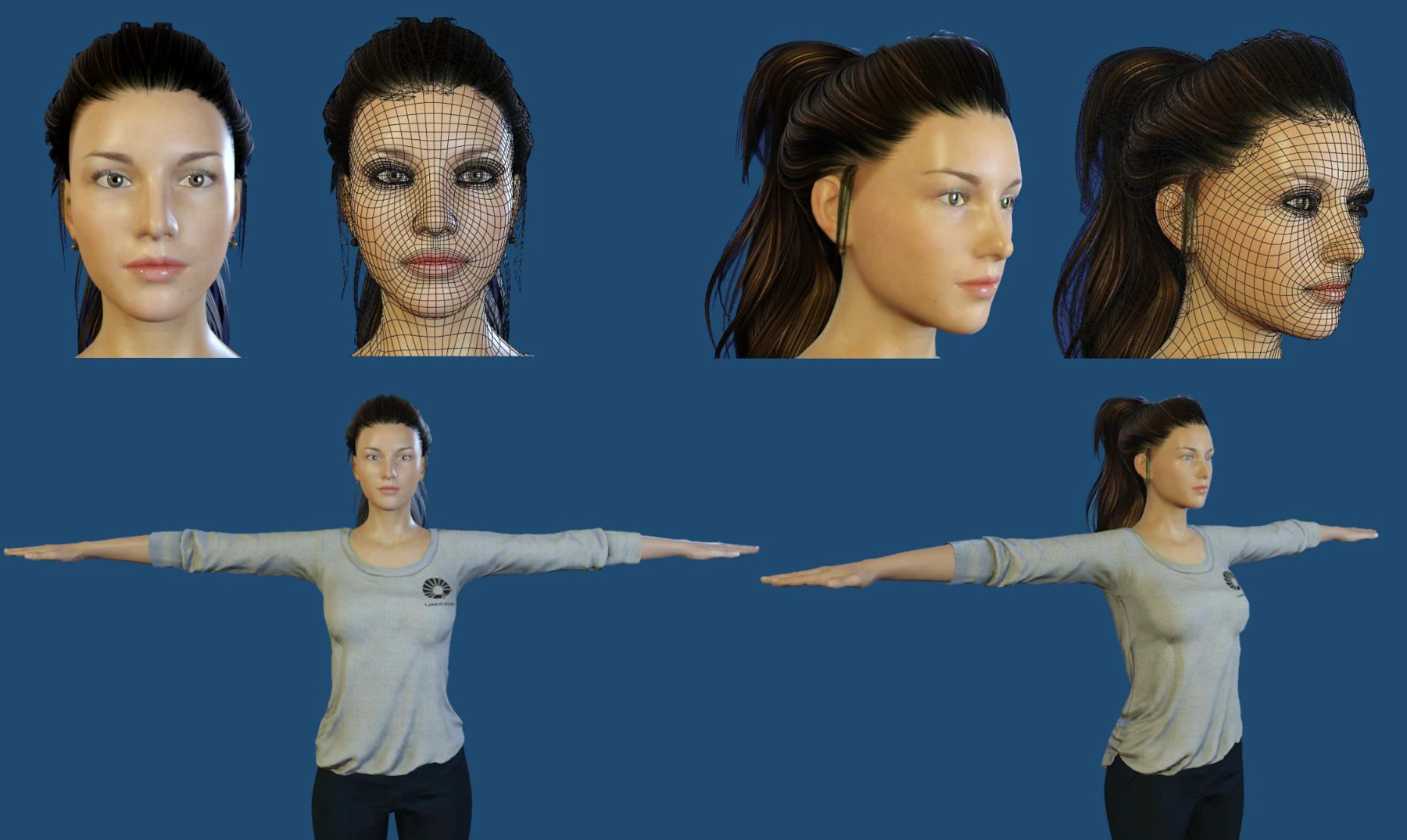
My earlier work on facial motion capture and signing avatars explores the role of facial expressions in expressive communication and assistive technologies.
Recent studies examine transfer learning for chest X-ray classification. Read the original papers for the methods, results, and limitations.
My PhD work explored the modeling and synthesis of facial aspects of Brazilian Sign Language for realistic signing avatars, connecting facial motion capture, computer graphics and accessibility.
Selected research and student collaborations in their original poster format.

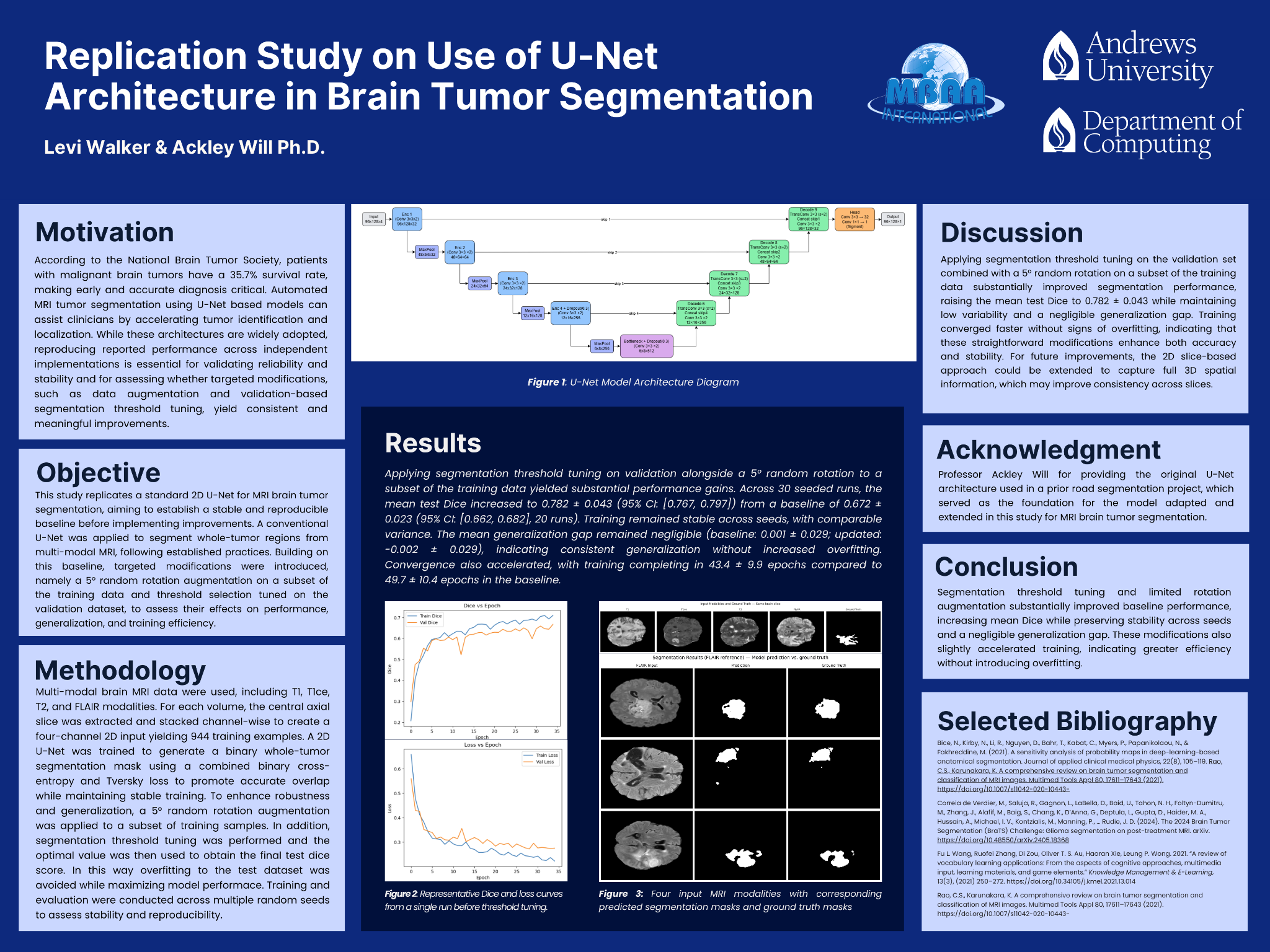
A replication study of 2D U-Net segmentation of brain MRI, comparing a reproducible baseline with limited rotation augmentation and validation-based threshold selection.
Student research · supervision and collaboration
View full poster · PNG ↗
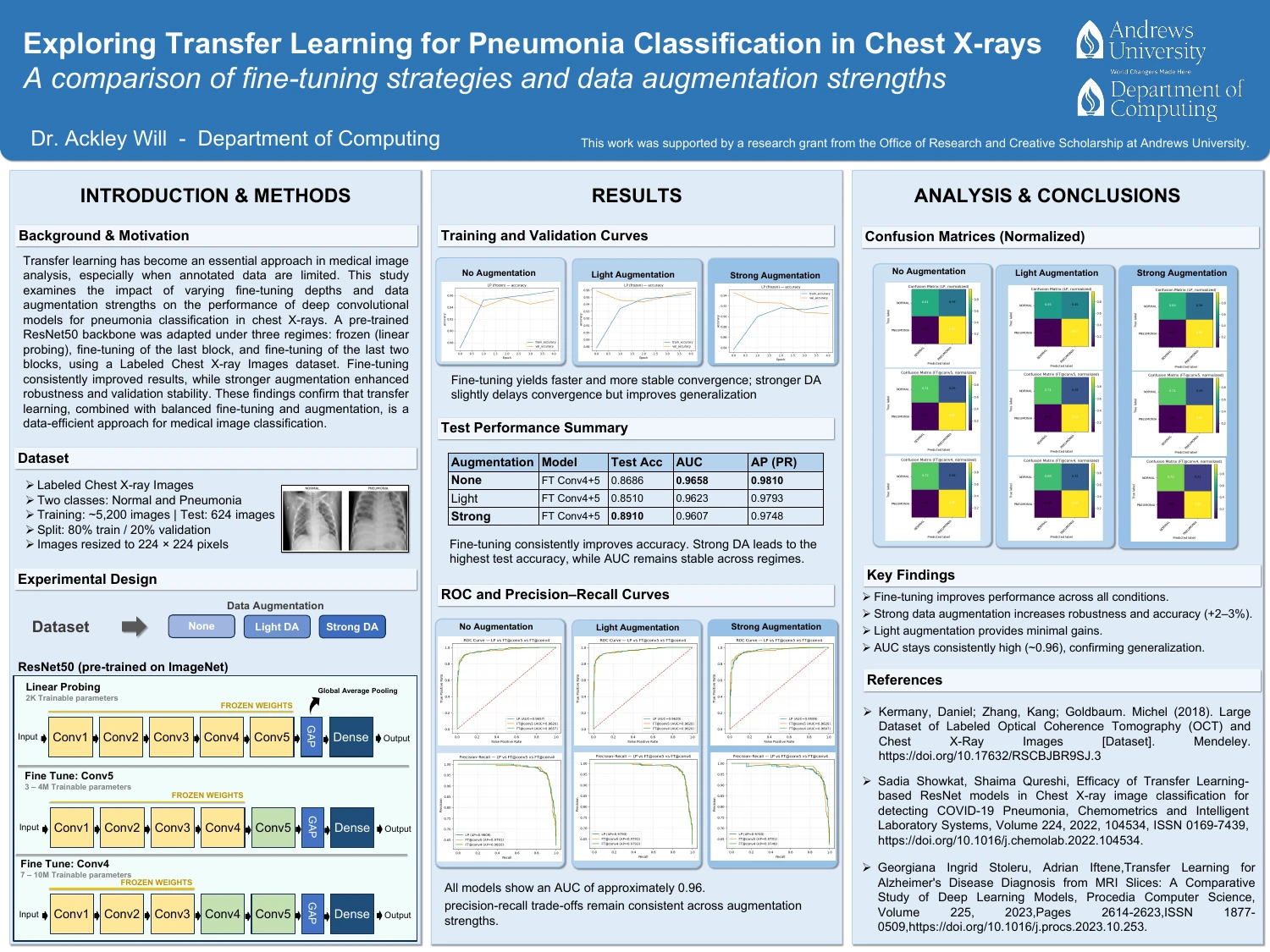
Comparing fine-tuning strategies and augmentation strengths for chest X-ray classification. The poster presents one stage of the medical-imaging research program.
Transfer learning · medical imaging
View full poster · PDF ↗I mentor students through focused projects that connect a well-defined question to implementation, evaluation, and communication. Projects have explored brain-tumor classification and segmentation, ECG signal analysis, and computer vision for sign-language learning.
The emphasis is on a feasible scope, reproducible work, and conclusions supported by the evidence. Selected conference presentations are included in the publications list.
I welcome conversations about computer vision, model evaluation, and meaningful student research.